
Freightivo currently ships vehicles by container — secured inside a standard 20ft or 40ft unit, either individually or alongside other vehicles depending on size. Container shipping keeps the vehicle enclosed for the full ocean voyage, and it's the method Freightivo supports on every route, running or non-running.
Every vehicle export also requires documentation — proof of ownership, a bill of sale or similar, and destination-country import paperwork that varies by market. Freightivo helps shippers understand what's needed before the vehicle reaches the port, so it isn't held up once it arrives.
Vehicle Categories
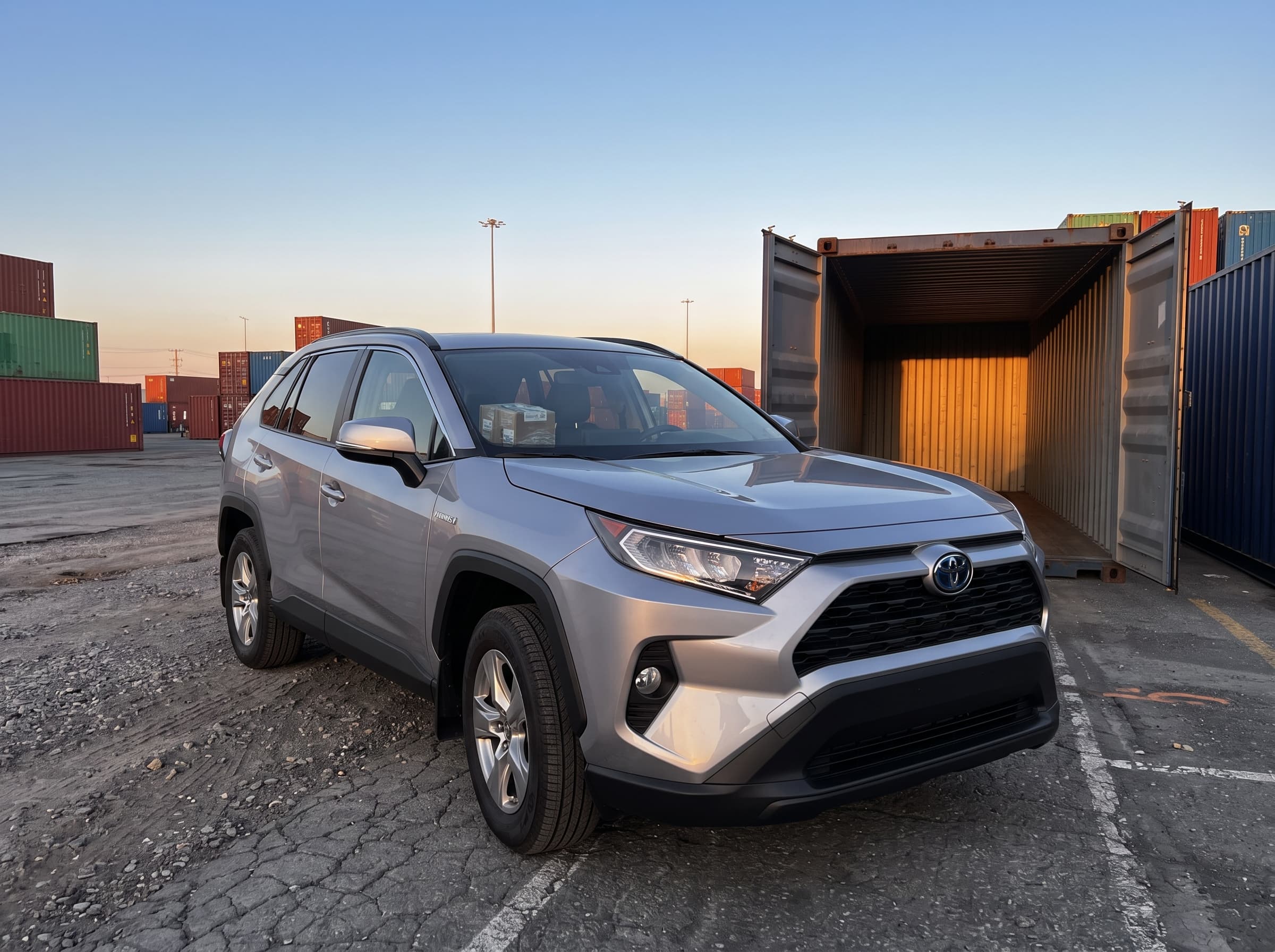
Cars & SUVs
Personal and used vehicles exported individually or as part of a multi-vehicle container shipment.
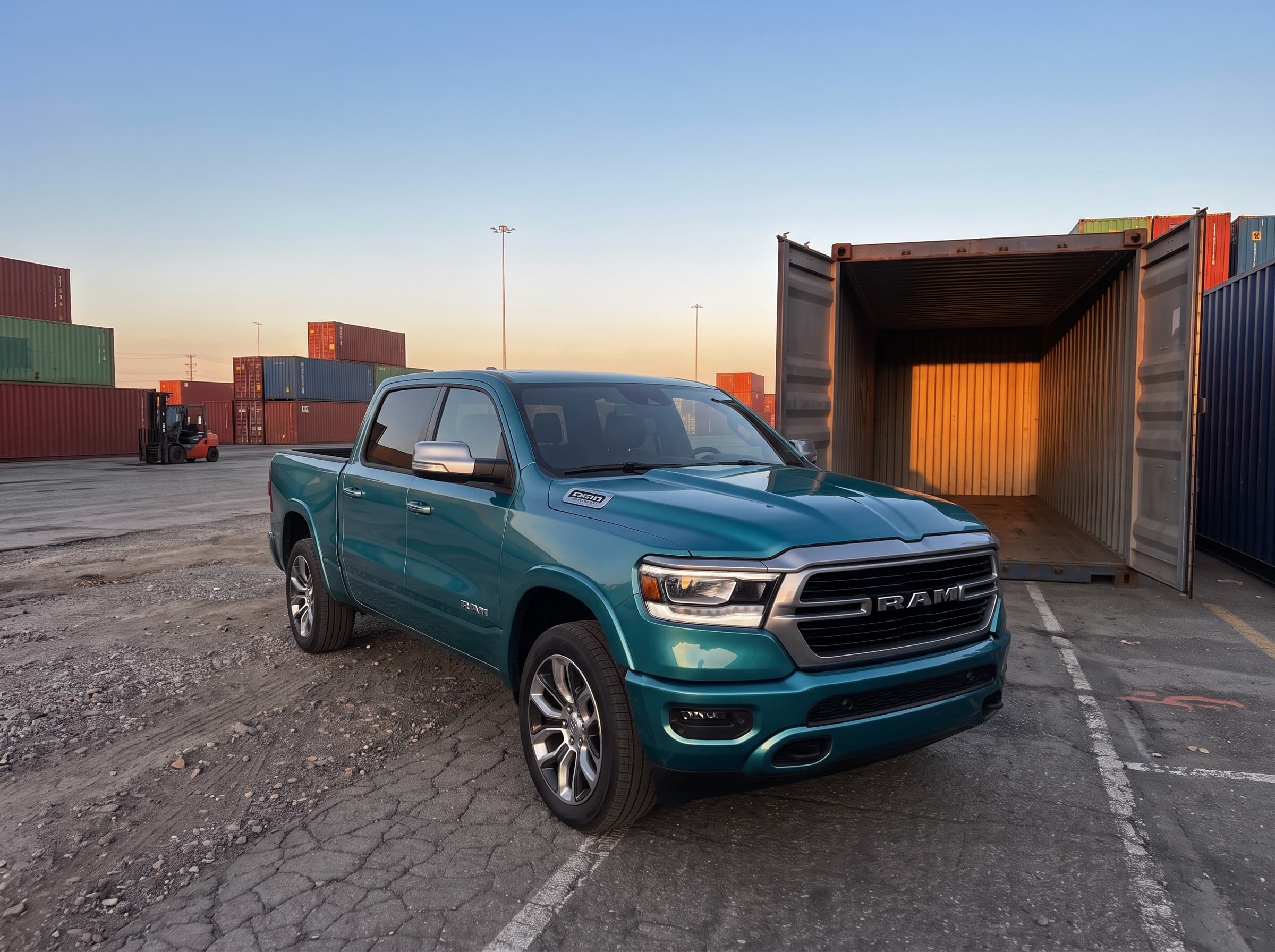
Trucks & Commercial Vehicles
Pickups, vans and larger commercial vehicles, sized against standard and high-cube container dimensions before booking.
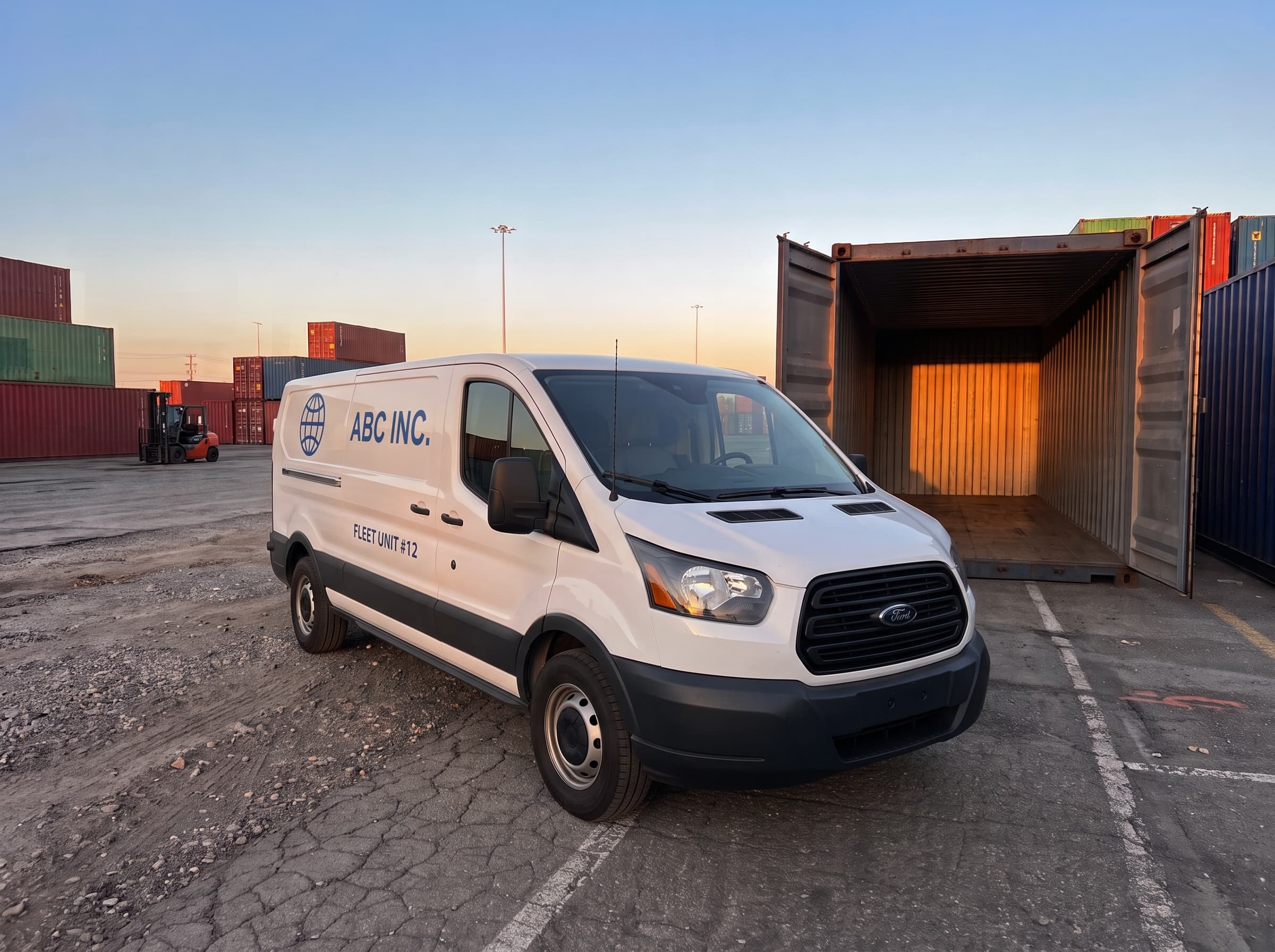
Construction & Fleet Vehicles
Fleet disposals and specialty vehicles, including non-running units, container-loaded with the appropriate equipment.
Shipping Methods
- FCL container (individual or multi-vehicle)
Typically Required Documentation
- Proof of ownership / title
- Bill of sale
- Valid government-issued ID
- Destination-country import documentation (varies by country)
Frequently Asked Questions
Yes — non-running vehicles can generally still be container-shipped with the right loading equipment. Let us know the vehicle's condition when requesting a quote so we can confirm what's needed for your route.
At minimum, proof of ownership and a valid ID. Destination countries often have additional import requirements — age restrictions, emissions rules, or specific customs forms — which vary by market.